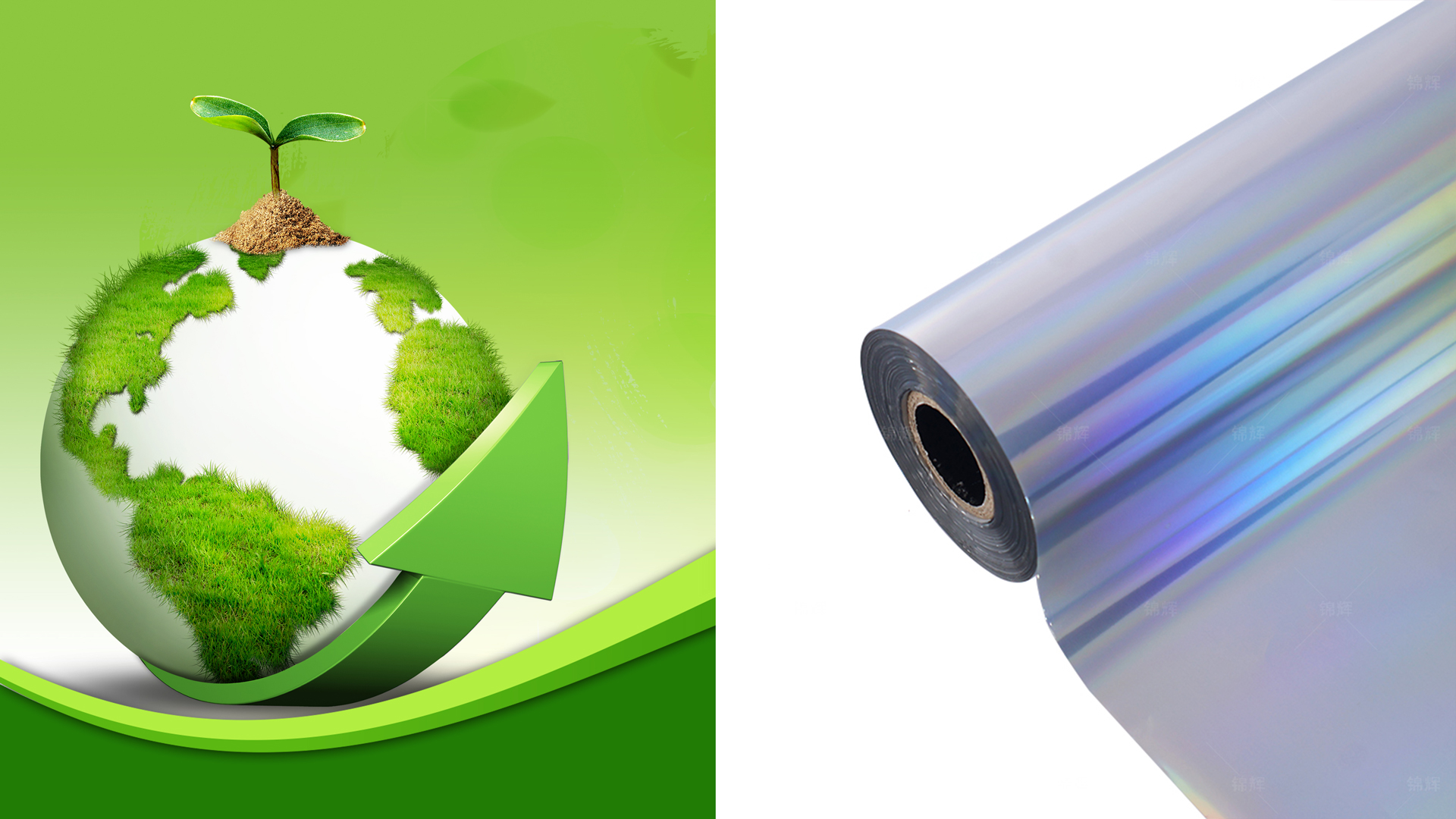
Innovative solutions to solve the pain points of hot stamping
Jinhui Empowers SMEs with Precision-Centric Hot Stamping Solutions: Tackling Temperature Sensitivity and Delamination Challenges
In the fiercely competitive packaging sector, small and medium enterprises (SMEs) face an uphill battle: delivering luxury-grade hot stamping effects while navigating tight budgets and technical bottlenecks. Industry surveys reveal that 68% of SMEs cite temperature control failures and pattern delamination as primary pain points in metallization processes, often leading to 15-20% material waste and delayed deliveries. Addressing these hurdles head-on, Jinhui Packaging has launched a Tailored Hot Stamping System, integrating low-temperature foiling technology, ultra-thin substrates, and agile customization—a game-changer for brands striving to balance cost, quality, and scalability.
The SME Dilemma: High Risks in High-Temperature Metallization
Traditional hot stamping processes typically operate at 150–200°C, posing critical challenges for heat-sensitive materials. Leather goods may warp or discolor, synthetic polymers risk melting, and delicate papers often scorch, forcing SMEs into costly trial-and-error cycles. A 2023 Packaging Digest report notes that 42% of leather accessory manufacturers reject up to 30% of foiled units due to thermal deformation, while plastic packaging converters face up to 18% yield loss from adhesive carbonization.
Jinhui’s Low-Temperature Precision Foiling (LTPF) technology disrupts this paradigm. By optimizing polymer adhesives and metal alloy formulations, the system operates effectively at 60–120°C—a 40% reduction from industry standards. This innovation eliminates substrate warping and “hot stamp blackening,” even on PVC films, vegan leather, and recycled PET. For instance, a Guangzhou-based handbag producer reduced defect rates from 22% to 3% after adopting LTPF for embossed logo stamping, slashing monthly material costs by ¥85,000.
Micro-Detail Mastery: 10μm Ultra-Thin Films for Complex Graphics
Intricate designs—think 0.5mm serif fonts or 10% gradient halftones—often fail on conventional foils due to thickness inconsistencies (typically 15–25μm). Jinhui’s 10μm Ultra-Precision Polyester Base tackles this through nano-level coating uniformity. The film’s reduced mass allows sharper heat transfer, while its tensile strength (up to 28MPa) prevents tearing during high-speed stamping.
When paired with Jinhui’s Dynamic Adhesive Matrix (DAM), which adjusts viscosity based on substrate porosity, the system achieves 40% stronger adhesion—critical for curved perfume caps or textured wine labels. A Jiangsu printing house reported 98% clarity retention on 8pt Chinese characters for tea packaging, compared to 70% with previous suppliers.
Agile Customization: From Prototype to Production in 72 Hours
Recognizing SMEs’ need for flexibility, Jinhui introduced On-Demand Foiling Modules:
-
Color Matching Cloud Library: Access 200+ pre-engineered shades (Pantone-compliant) or request custom hues with 48-hour lab turnaround;
-
Small-Batch Pilot Service: Minimum order quantities (MOQs) as low as 50 sheets, ideal for limited-edition cosmetics or crowdfunding projects;
-
Hybrid Process Kits: Combine hot stamping with embossing, UV coating, or tactile varnishes in single passes.
A Shenzhen startup producing eco-friendly phone cases leveraged these modules to test 12 metallic accents across bioplastic and bamboo substrates, reducing R&D time from 6 weeks to 10 days. “The ‘try-before-scale’ model let us launch 3 premium SKUs within 2 months,” noted CEO Zhang Wei.
Sustainability Meets Cost Efficiency
Beyond performance, Jinhui’s solution aligns with tightening environmental mandates:
-
Eco-Alloy Coatings: Replace cadmium-based pigments with mineral alternatives, achieving ISO 8124-3 toy safety compliance for children’s product packaging;
-
Waste-Reduction Algorithms: AI-driven nesting software optimizes foil sheet layouts, boosting material utilization to 93% (industry average: 78%);
-
Circular Base Films: 100% recyclable polyester substrates certified by EuCertPlast.
To date, over 100 SMEs—including organic skincare brands and craft spirit labels—have adopted the system, reporting 25% average efficiency gains and 30% lower per-unit costs. A Yunnan tea company slashed annual foil expenditures by ¥120,000 while achieving EU export certification for heavy metal compliance.
Future Roadmap: Intelligent Hot Stamping Ecosystems
Jinhui’s CTO, Dr. Emily Zhou, previewed next-gen developments: “We’re integrating IoT sensors into foil rolls to monitor real-time temperature/pressure data, enabling predictive adjustments via our SmartStamp Cloud Platform.” Additionally, partnerships with digital printing giants aim to hybridize cold foil and hot stamping into single-step workflows—potentially doubling SME production speeds by 2025.
For SMEs grappling with the luxury packaging paradox—high quality demands vs. constrained resources—Jinhui’s tailored system offers more than a fix; it’s a strategic accelerator. As tactile, metallic finishes become non-negotiable in premium markets, this innovation ensures even the smallest players can compete with the shimmer of giants.
Push the boundaries of color
Eco-friendly hot stamping
Related Article